
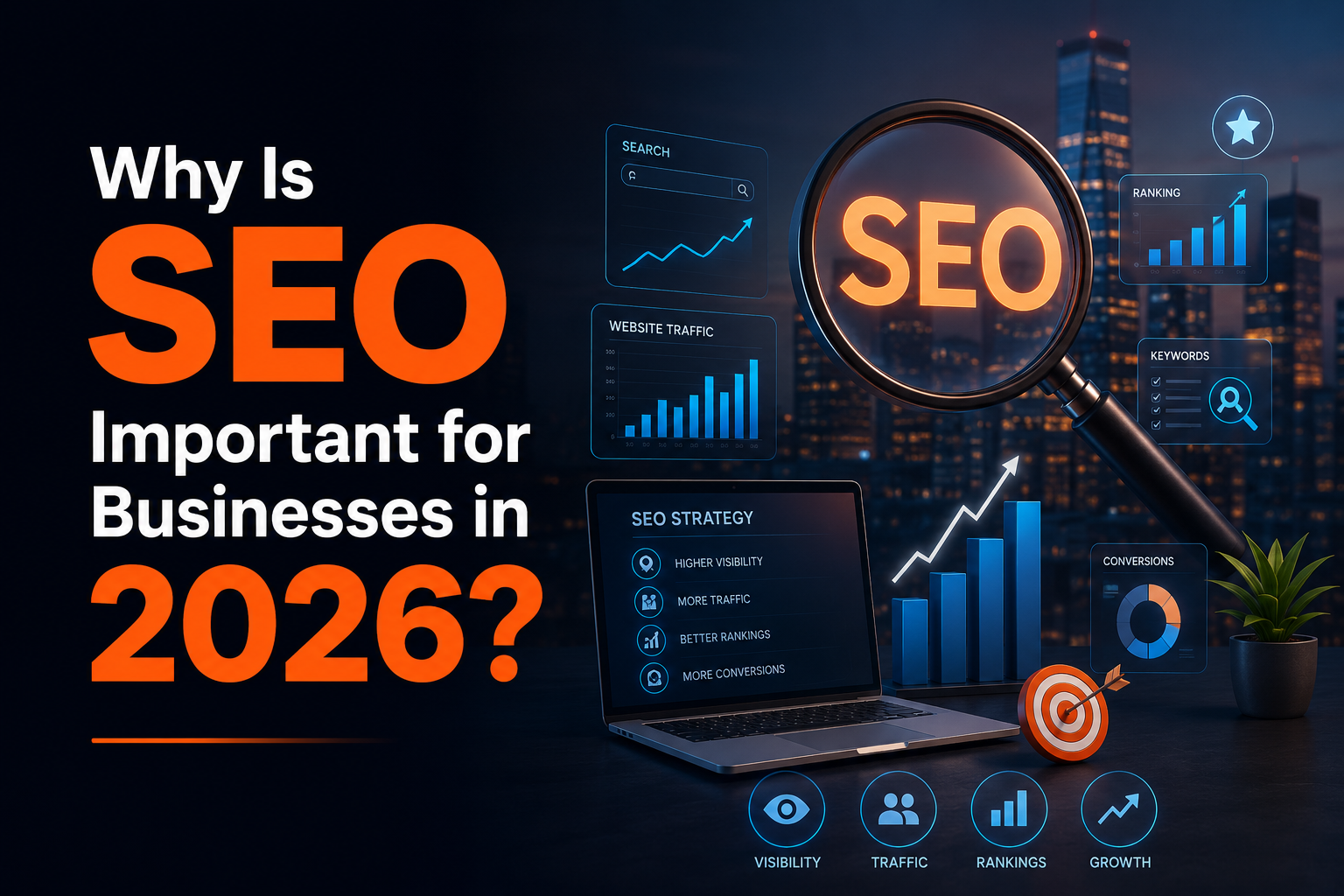
Ask ten founders what is SEO and half will describe something that quietly stopped working around 2019. The core definition has not moved: it means arranging a website so search engines understand the pages and rank each one where buyers actually look. The terrain is what shifted. Google now answers plenty of questions on the results page itself, before a single click ever leaves.
Zero-click searches crossed well past half of all queries a couple of years back. So the game got harder, and a lot more valuable for whichever sites still manage to show up. The margin between showing up and getting buried is measured in real revenue now, not vanity rankings.
The Benefits of SEO Add Up Over Time
Money spent on ads disappears the moment a card gets declined. Ranking behaves nothing like that. A plumbing company in Phoenix that sat on page three for “emergency water heater repair” spent about three months fixing page titles, cleaning up load speed, and killing a tangle of duplicate service pages. By spring the site ranked second, and the calls kept arriving with no daily media budget propping the site up. That is the quiet math tucked inside the benefits of SEO.
A page that earns its slot keeps earning while the owner sleeps, takes a week off, or forgets the page exists at all. Ad campaigns simply cannot make that promise, and anyone selling one that does is selling something else.
Consider the arithmetic. A single ranked page might cost a few hundred dollars in content and cleanup, then return organic clicks for two or three years. The same money in paid search buys a few weeks of visibility and nothing after the last invoice clears.
What SEO for Business Actually Involves
There is no single lever stamped “rank higher.” Search Engine Optimization for business is four separate jobs braided into one:
- Technical health. Pages that load fast, behave on a phone, and let Google crawl every corner without hitting a wall.
- Content built for intent. Someone searching “best payroll software for restaurants” wants a real comparison, not a glossy brochure.
- Authority. Links and mentions from sources search engines already trust, earned slowly rather than purchased in bulk.
- Local presence. Accurate map listings, honest reviews, and a phone number that matches on every page it appears.
Neglect one of the four and the other three end up straining to cover the gap.
Organic Traffic Is the Asset Nobody Sees on the Balance Sheet
Picture two software startups that launched the same week. The first one buys its way to the top of every keyword, and the traffic dies the same hour funding gets tight. The second earns organic traffic the slow way, through plain documentation, honest guides, and pages that answer the awkward questions rivals keep dodging. Eighteen months later, that second startup pulls in thousands of visitors a month at roughly zero cost per click.
American Digital Agency has watched versions of this unfold across client accounts more than once, where the cheapest traffic on paper quietly outconverts the expensive kind. The reason is not mysterious. A person who types a precise phrase already knows exactly what the search is for, which is why intent-heavy queries close deals at a rate broad ad targeting rarely touches.
A Practical SEO Strategy for 2026
Most wasted budgets trace back to skipping the boring first step. A workable seo strategy usually runs in a specific order:
- Audit what already exists. Half the easy wins hide in pages stuck on page two that only need a nudge.
- Study intent before writing a word. The current results for a target phrase show what Google believes the searcher actually wants.
- Repair the foundation. Broken links, sluggish servers, and orphaned pages will sink genuinely good content.
- Publish with restraint. One sharp article outperforms ten thin ones, every single quarter.
- Track revenue, not vanity metrics. A number-one ranking feels wonderful, though signed contracts are what cover payroll.
Jump straight to step four, which is the constant temptation for teams in a hurry, and the results tend to stay stubbornly flat for months on end.
Why this matters more in 2026 comes down to one shift. AI-generated summaries reward the same pages classic optimization already favored: clear, trustworthy, cleanly structured content. The sites feeding those answer boxes are the ones that did the unglamorous work early, before it was obvious.
A business that treats search as a one-and-done project keeps paying competitors for attention that could have been earned outright. The ones treating it as a steady habit rarely end up looking back.
Frequently Asked Questions
How long before SEO produces real results?
Usually four to six months for noticeable movement, and longer in crowded industries. Google has said roughly the same, so any promise of overnight rankings deserves suspicion.
Is SEO still worth it when AI answers show up on the results page?
Yes, because those answers get pulled straight from pages that already rank well. Strong optimization now feeds the summaries instead of losing ground to the same summaries.
What does SEO typically cost a small business?
Budgets swing widely, from a few hundred to several thousand dollars a month, depending on competition and how fast growth needs to happen.
Can SEO fully replace paid advertising?
Rarely a clean trade. Ads buy speed while organic rankings build a lasting base, and the two running together tend to beat either one alone.
Which matters more, content or technical SEO?
Both, honestly. Brilliant writing on a broken site stays invisible, and a flawless site with dull content gives search engines no reason to bother ranking it.