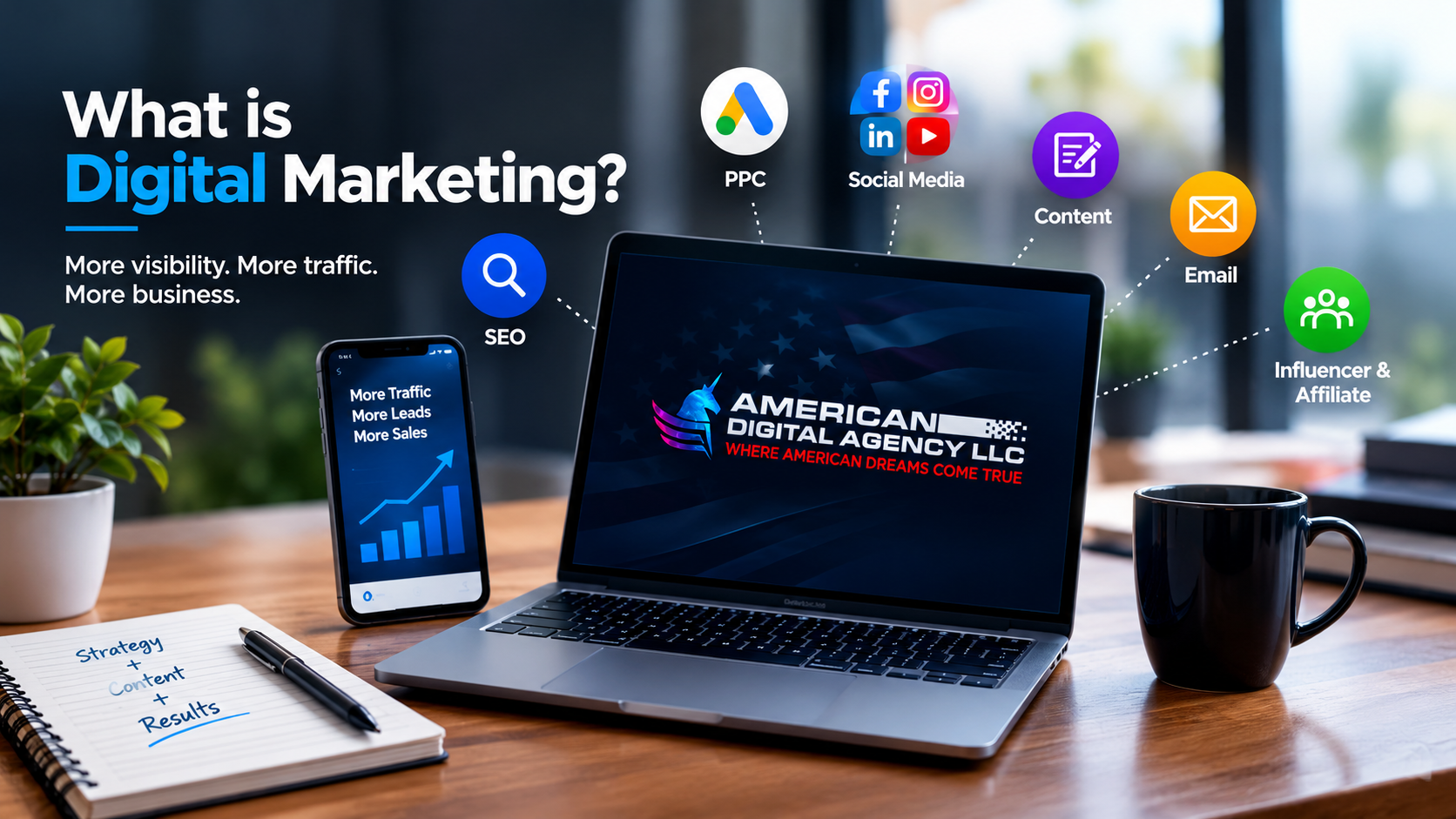
Digital marketing is the use of digital channels to market products to boost brand awareness, drive traffic, and hit marketing goals. Digital marketing promotes brands and connects them to potential customers via the internet. It takes many forms, including search engines, websites, social media, email, mobile apps, and web-based advertising.
Digital marketing uses the same foundational principles as traditional offline marketing, but relies on real-time data to find a business’s target audience and deliver the most relevant messaging possible.
Your company’s use of digital marketing depends heavily on its model:
- Business-to-Business (B2B): Involves multiple decision-makers, a logic-driven buying process, and a longer timeline focused on relationship building.
- Business-to-Consumer (B2C): Involves a single individual, shorter sales cycles, and emotion-driven, urgent messaging designed for quick conversions.
The benefits of digital marketing.
Regardless of your business model, implementing a modern digital strategy provides clear advantages that traditional offline media cannot match:
- Reach a large demographic: Connect with prospects globally across multiple time zones with minimal friction.
- Cost efficiency: Spend less capital setting up organic content channels compared to high-cost print, radio, or TV spots.
- Results are measurable: Access deep analytics to track leads, site visits, and direct conversion returns.
- Easier personalization: Segment your consumer audience using real data to deliver tailored marketing campaigns.
- Easy and convenient conversions: Shoppers can move from a digital channel directly to an e-commerce store to buy in just a few taps.
Is digital marketing the same as online marketing?
Importantly, digital marketing is not the exact same as online or internet marketing. Instead, those terms are a specific subset under the broader digital umbrella.
Digital marketing.
As the global umbrella term, digital marketing includes any marketing method that uses an electronic device. This covers offline digital channels like digital billboards, television, and radio, alongside internet-connected platforms.
Online or internet marketing.
A subset of digital marketing, online marketing specifically requires an active internet connection to function. This includes digital channels like search engine optimization (SEO), pay-per-click ads, social media networks, and email campaigns.
Core channels of digital marketing.
To build a web presence that scales, businesses leverage a variety of specialized online disciplines. The most effective strategies combine multiple core channels to form a unified lead-generation framework:
Search Engine Optimization
Search Engine Optimization (SEO) is the process of earning free, organic visibility on search engines like Google. When your target audience searches for solutions online, SEO ensures your website is visible at the top of the search results page. A professional strategy combines technical site health optimization, in-depth keyword research, and high-quality content production. Because you do not pay for individual clicks, an optimized SEO presence creates long-term organic authority that compounds value month after month.
Pay-Per-Click
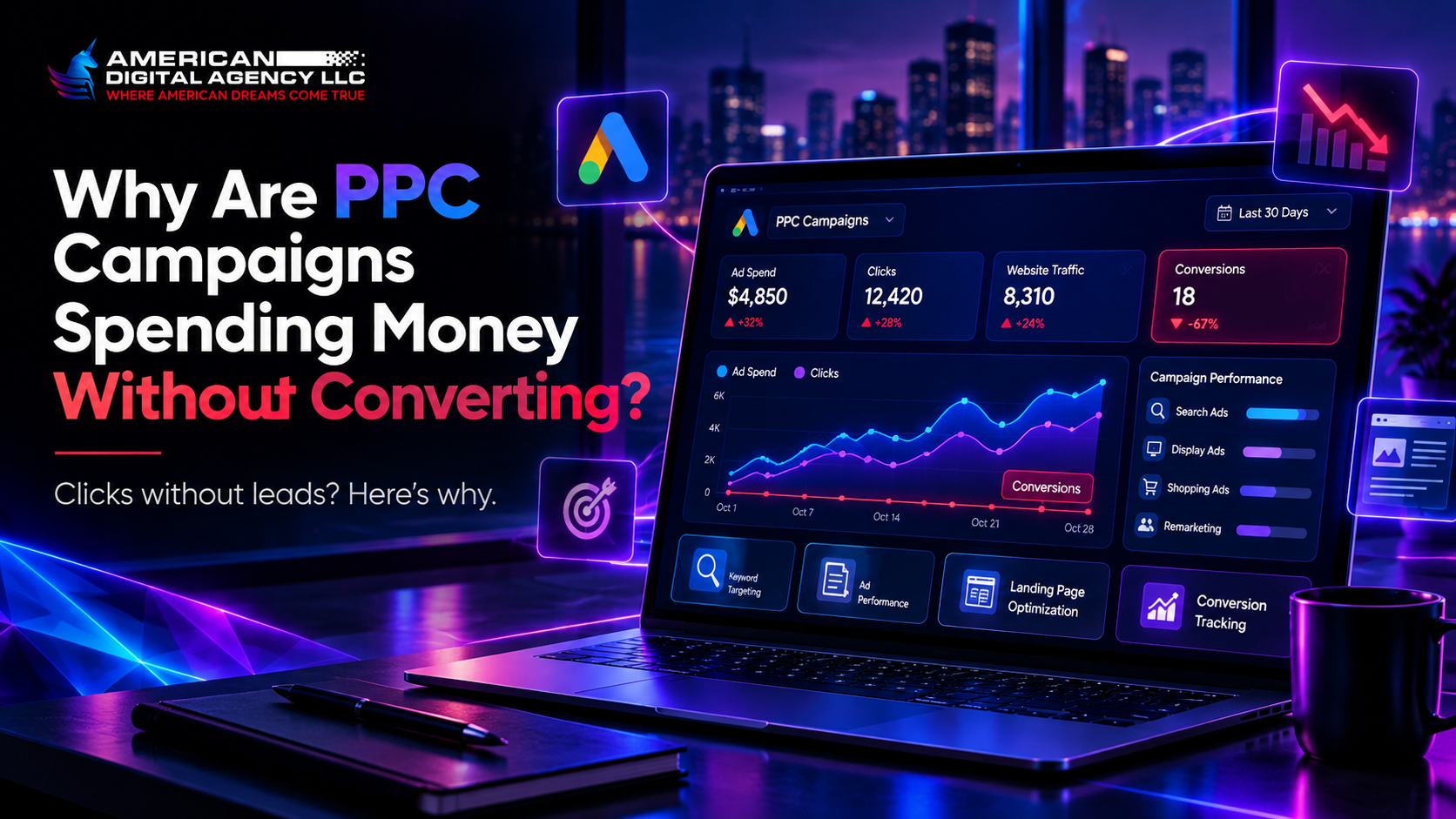
Pay-Per-Click (PPC) advertising delivers instant targeted visibility while organic channels take time to build equity. Businesses buy ads on networks like Google Ads or Microsoft Ads and only pay when a user clicks the live link. This model offers incredible budget flexibility and precise targeting options based on search terms, geographic location, interests, and consumer behaviors. It allows brands to scale immediate sales pipelines while tracking exact return on ad spend metrics.
Social Media Marketing
Social Media Marketing places your brand directly where billions of potential customers spend time daily, including platforms like Instagram, TikTok, Facebook, LinkedIn, and YouTube. Rather than relying solely on cold pitches, successful execution focuses on community management, creative visual storytelling, and active engagement. By pairing organic social media content with targeted paid social campaigns, businesses rapidly increase brand awareness, shape public perception, and capture new audience data.
Content Marketing
Content Marketing focuses on creating and distributing valuable, relevant, and consistent material to attract and retain a clearly defined audience. Instead of interrupting users with a standard commercial pitch, content marketing provides solutions to user problems through blog posts, whitepapers, videos, and infographics. This helpful, educational approach establishes your brand as a trustworthy industry authority and guides prospects naturally down the conversion funnel.
Email Marketing
Email Marketing gives you direct access to an audience that your business completely owns, shielding you from sudden social media algorithm changes. Modern email campaigns go far beyond static newsletters; they rely on advanced list management, deep audience segmentation, and automated drip sequences. Delivering personalized messages like welcome flows, nurture series, and abandoned cart reminders straight to a subscriber’s inbox keeps your brand top-of-mind and maximizes repeat customer revenue.
Affiliate & Influencer Marketing
Affiliate and influencer marketing leverages established external trust to expand your brand’s market reach. Influencer marketing partners your business with content creators who possess highly engaged audiences within your niche, using social proof to drive brand authority. Affiliate marketing scales your sales team by allowing independent publishers and marketers to promote your products for you, earning a performance-based commission only when a successful conversion occurs.
Challenges in digital marketing.
While the digital ecosystem offers massive growth opportunities, navigating the landscape requires overcoming several modern hurdles:
- Changing algorithms: Sudden updates to Google search rules or social media platform logic can instantly shift your organic reach.
- Data privacy and compliance: Strict regulations like GDPR and CCPA require brands to handle customer tracking data with total compliance.
- High competition: Low entry barriers mean digital channels can quickly become crowded with competing ads, driving up costs.
- Customer trust: With a massive volume of online content available, businesses must consistently deliver real value to stand out from the noise.
Rely on a powerful partner for your digital marketing efforts.
At the end of the day, digital marketing is not about mastering every single platform at once; it is about building a cohesive, interconnected ecosystem where each distinct channel reinforces the next. Your search engine optimization and social media marketing efforts should fuel your content distribution, your pay-per-click campaigns should accelerate immediate lead capture, and your email marketing should nurture those leads into closed deals.
Navigating this fast-moving landscape requires moving past generic marketing playbooks and building an intentional, data-driven strategy tailored to your exact margins and audience behaviors. If you are ready to eliminate the technical guesswork, optimize your digital advertising spend, and build a high-performing system that turns traffic into measurable revenue, the team at american digital agency is here to help you scale your business.
FAQ’s
What is the difference between digital marketing and traditional marketing?
Traditional marketing utilizes offline channels like print ads, billboards, television, and radio spots. Digital marketing uses internet-connected channels like search engines, social media networks, and email campaigns, allowing businesses to track real-time results and laser-target audiences.
How long does it take to see results from digital marketing?
Paid campaigns like pay-per-click advertising or paid social ads produce immediate traffic and conversion data within hours of launching. In contrast, organic strategies like search engine optimization and content marketing require continuous optimization and typically take 3 to 6 months to build meaningful ranking equity.
Why is a multi-channel digital strategy necessary?
Relying entirely on a single online platform exposes your business to massive risk if that channel updates its algorithms or increases ad prices. A multi-channel framework ensures your brand remains visible where your audience spends time while compounding your traffic across independent channels.
How do changes in data privacy affect online advertising?
Modern compliance laws like GDPR and CCPA restrict how companies collect and share third-party user data. Because of this, businesses must build strong first-party channels like optimized email lists and high-quality content sites to successfully capture and maintain customer relationships.